



Operational Technology (OT) is the backbone of modern industry. It powers manufacturing lines, controls industrial processes, and keeps critical infrastructure running smoothly.
However, as OT becomes increasingly interconnected with Information Technology (IT), new security challenges arise. Cyber threats that were once confined to office computers can now disrupt production lines, compromise safety systems, or even bring down entire power grids.
This article aims to shed light on the importance of safeguarding OT. We will explore the unique vulnerabilities of industrial IT systems, the potential consequences of security breaches, and the best practices for protecting these critical assets.
Whether you’re an IT professional in the industrial sector, a manufacturing executive, or simply interested in the security of industrial systems, this article will provide valuable insights on how a Manufacturer Focused IT Firm can safeguard your OT processes along with your IT.
By understanding the risks and implementing effective security measures, we can ensure the integrity of our OT systems. This is not just about preventing financial losses – it’s about safeguarding our industries, our infrastructure, and our way of life.

The Critical Role of Operational Technology in Industry
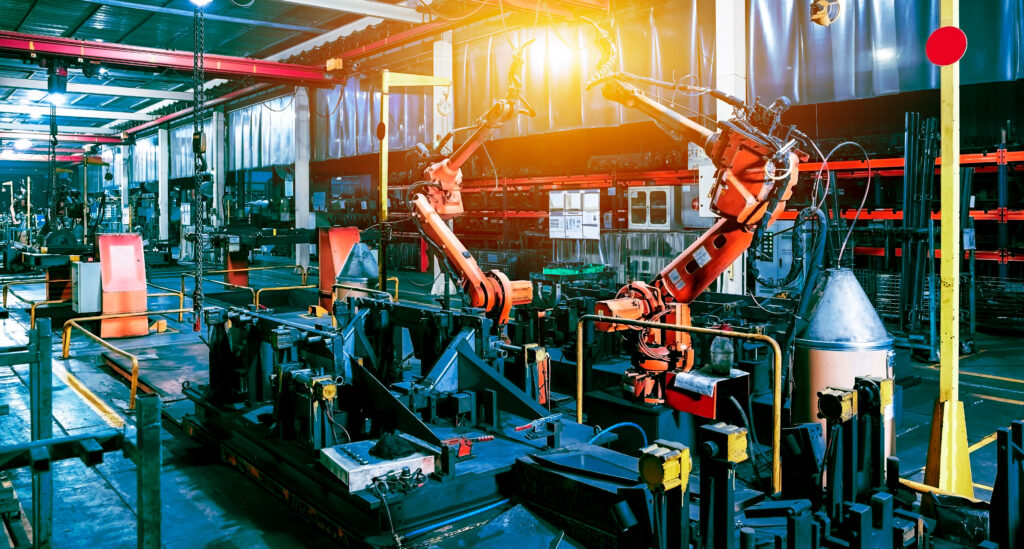
Operational Technology (OT) is a key component of today’s industrial landscape. It encompasses the hardware and software used to change, monitor, or control physical devices, processes, and events in the enterprise.
From manufacturing plants to power grids, OT systems are responsible for the smooth operation of critical infrastructure. They control the production lines, manage the supply chains, and ensure the safety and efficiency of industrial processes. In essence, OT is the lifeblood of modern industry, making its security a matter of utmost importance.
Convergence of IT and OT: Security Implications
The convergence of Information Technology (IT) and Operational Technology (OT) has brought about significant benefits. It has enabled real-time data analysis, improved decision-making, and enhanced operational efficiency. However, this integration also presents new security challenges.
Previously, OT systems were isolated, reducing their exposure to cyber threats. But as IT and OT merge, the attack surface expands. OT systems are now exposed to the same cyber threats that have long plagued IT systems. This convergence necessitates a robust strategy for safeguarding operational technology.
Identifying Vulnerabilities in OT Systems
Operational Technology systems, like any other technology, have vulnerabilities. These vulnerabilities can be exploited by cybercriminals, leading to severe consequences. Identifying these vulnerabilities is the first step towards safeguarding operational technology.
Common vulnerabilities in OT systems include:
- Outdated software that lacks the latest security patches.
- Lack of encryption, leaving data exposed during transmission.
- Poorly configured firewalls and other security measures.
- Use of default or weak passwords, making systems easy to breach.
- Lack of regular security audits and assessments.
Understanding these vulnerabilities helps in developing effective strategies to mitigate them.
The Growing Threat Landscape for Industrial IT
The threat landscape for industrial IT is expanding rapidly. Cybercriminals are becoming more sophisticated, using advanced techniques to breach security defenses. They are targeting operational technology systems, recognizing their critical role in industry operations.
The frequency of these attacks is increasing, posing a significant risk to industrial IT systems. It’s not just about financial loss anymore. The potential for disruption of critical services and infrastructure is a real concern. This growing threat landscape underscores the need for robust security measures to safeguard operational technology.
Consequences of OT Security Breaches
A security breach in operational technology can have severe consequences. It can lead to production downtime, disrupting the smooth functioning of industrial processes. This can result in significant financial losses for the organization.
Moreover, safety incidents can occur, putting employees and the public at risk. In some cases, a breach can even lead to environmental damage. The potential consequences of OT security breaches highlight the importance of safeguarding these systems.
Best Practices for Safeguarding OT
To protect operational technology, a layered security approach is crucial. This involves implementing multiple security measures to defend against different types of threats. It’s like having several lines of defense to ensure the security of OT environments.
Some of the best practices for OT security include:
- Regular patching and system updates
- Employee training and awareness
- Network segmentation and isolation
Regular Patching and System Updates
One of the most effective ways to safeguard OT is through regular patching and system updates. This helps to fix known vulnerabilities that could be exploited by cybercriminals. It’s essential to keep all software, firmware, and hardware up-to-date to minimize security risks.
Employee Training and Awareness
Employees play a crucial role in maintaining OT security. Training and awareness programs can help them understand the importance of security and their role in preventing incidents. They should be educated about the common threats and how to respond to them.
Network Segmentation and Isolation
Network segmentation is another effective strategy for protecting OT. It involves separating the OT network from the corporate IT network. This can prevent a security incident in one network from spreading to the other. It also makes it harder for attackers to gain access to critical OT systems.
Advanced Security Technologies for OT
In addition to basic security measures, advanced technologies can further enhance OT security. These include firewalls, intrusion detection systems, and other security tools. They can help detect and respond to threats in real-time, providing an extra layer of protection.
Artificial intelligence and machine learning are also being used to improve OT security. These technologies can help identify patterns and anomalies that may indicate a security threat. They can also automate the response to certain types of threats, reducing the time it takes to contain a security incident.
Real-time Monitoring and Incident Response
Real-time monitoring is crucial for detecting security incidents as they occur. It allows for immediate response, which can minimize the impact of a security breach. An incident response plan should also be in place to guide the organization’s actions in the event of a security incident.
Adherence to Industry Standards and Frameworks
Adhering to industry standards and frameworks can also enhance OT security. Standards such as IEC 62443 and NIST guidelines provide best practices for securing industrial control systems. They can serve as a roadmap for organizations looking to improve their OT security. Compliance with these standards can also demonstrate an organization’s commitment to OT security.
Overcoming the Challenges of Legacy OT Systems
Legacy OT systems pose unique security challenges. They often run on outdated software and lack modern security features. However, these systems can still be secured through a combination of patch management, network segmentation, and the use of security technologies designed for legacy systems. Collaboration between IT and OT teams is crucial in this process.
The Future of OT Security
The future of OT security lies in the adoption of secure-by-design principles and advanced technologies like artificial intelligence and blockchain. These technologies can help detect and respond to threats more effectively. Additionally, the integration of OT with the cloud and IoT devices will also shape the future of OT security.
Why is Fisch Solutions your best choice in comprehensive OT Security Strategy?
Fisch Solutions stands out as the best choice for a manufacturing facility’s comprehensive OT security strategy due to its deep expertise in both operational technology and cybersecurity. With a team of seasoned professionals who understand the unique challenges faced by manufacturing environments, Fisch Solutions offers tailored security solutions that address the specific vulnerabilities of OT systems. Their approach combines advanced technologies, such as real-time monitoring and AI-driven threat detection, with best practices in employee training and network segmentation, ensuring a robust defense against evolving cyber threats.
Moreover, Fisch Solutions emphasizes collaboration between IT and OT teams, fostering a culture of security awareness throughout the organization. By adhering to industry standards and frameworks, they not only enhance the security posture of manufacturing facilities but also ensure compliance with regulatory requirements. Their commitment to continuous improvement and proactive risk management positions Fisch Solutions as a trusted partner in safeguarding critical infrastructure, ultimately protecting the integrity of manufacturing operations and contributing to the overall resilience of the industry.
Ready to have have Fisch take on your industrial facility operational technology strategy? Complete the form below for a in depth review and recommendations on how your manufacturing facility can improve its OT security strategy.