



Key Points in this Article
- AI compliance is officially on the radar—NIST has released an AI Risk Management Framework guiding how businesses handle AI securely and responsibly.
- Using tools like ChatGPT and Copilot? You need clear policies and provable controls, not just good intentions.
- Partnering with a local AI consultant like Fisch Solutions makes compliance, risk reviews, and ongoing security stress-free for small and midsize businesses.
Tristate (NY|NJ|CT) Businesses: AI Compliance Is Now a Thing
Cybersecurity Compliance: What Every Business Needs to Know Before Using ChatGPT, Copilot, and AI Assistants
If your business operates in the Tristate area, New York, New Jersey, or Connecticut, and you’re using tools like ChatGPT, Microsoft Copilot, Zoom AI Assistants, or even smart features in your CRM or finance software, it’s time to ask a critical question:
Is your AI usage compliant with modern cybersecurity standards?
The National Institute of Standards and Technology (NIST) just released a draft AI Cybersecurity Framework, and while it’s still in comment phase, the writing is on the wall: AI cybersecurity compliance is going to be a standard part of client audits, insurance renewals, and vendor questionnaires by 2026.
As a Tristate-based IT and cybersecurity provider, we’re already helping businesses like yours get ahead of this shift. Here’s what you need to know, and how we can help you stay secure, compliant, and ready.
Why This Matters for NY, NJ, and CT Businesses
Whether you’re in Manhattan, Bergen County, or Fairfield, you likely serve clients with high expectations around data security, law firms, financial services, healthcare, manufacturing. These industries are adopting AI tools fast, but the regulatory pressure is growing just as quickly.
If your employees are using AI to:
• Write emails (ChatGPT)
• Generate proposals (Copilot in Word)
• Automate spreadsheets (Copilot in Excel)
• Summarize meetings (Zoom AI)
…then your exposure to cybersecurity risk has expanded, and so has your compliance responsibility.

Diverse employees in a modern office collaborating with laptop screens showing Copilot and ChatGPT interfaces.

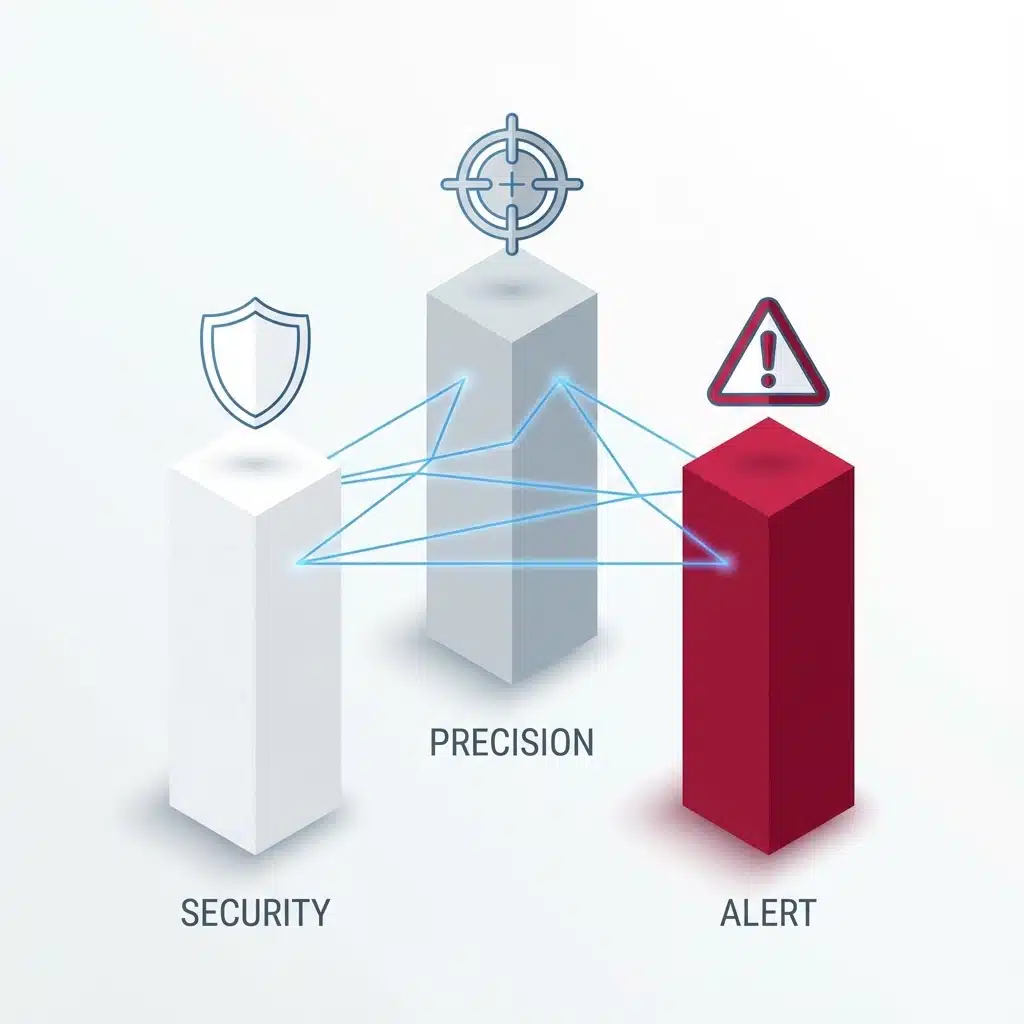
Diagram illustrating NIST’s three pillars, secure, defend, thwart, applied to AI cybersecurity.
NIST’s New AI Security Framework: What It Means for You
NIST breaks AI cybersecurity into three key categories:
1. Secure – Control How AI Tools Handle Your Data
You need to know:
• What AI tools are in use across your business
• Whether they’re storing, sharing, or learning from your data
• Who has access to them
✅ Our job: Help you map your AI tools to the data they touch, especially anything client-related or confidential.
2. Defend – Use AI to Improve Security, Not Compromise It
Many tools (like Microsoft Defender with AI) can improve threat detection. But if configured incorrectly, they can expose your systems instead.
✅ Our job: Ensure proper access control, monitoring, and incident response plans are in place for AI systems.
3. Thwart – Prepare for AI-Driven Threats
Hackers are using AI to:
• Generate ultra-realistic phishing emails
• Clone voices for deepfake voicemails
• Scan your systems faster than ever
✅ Our job: Train your team on new AI-enabled attack methods and how to detect them.
ChatGPT vs Copilot: What’s Safe for Business Use?
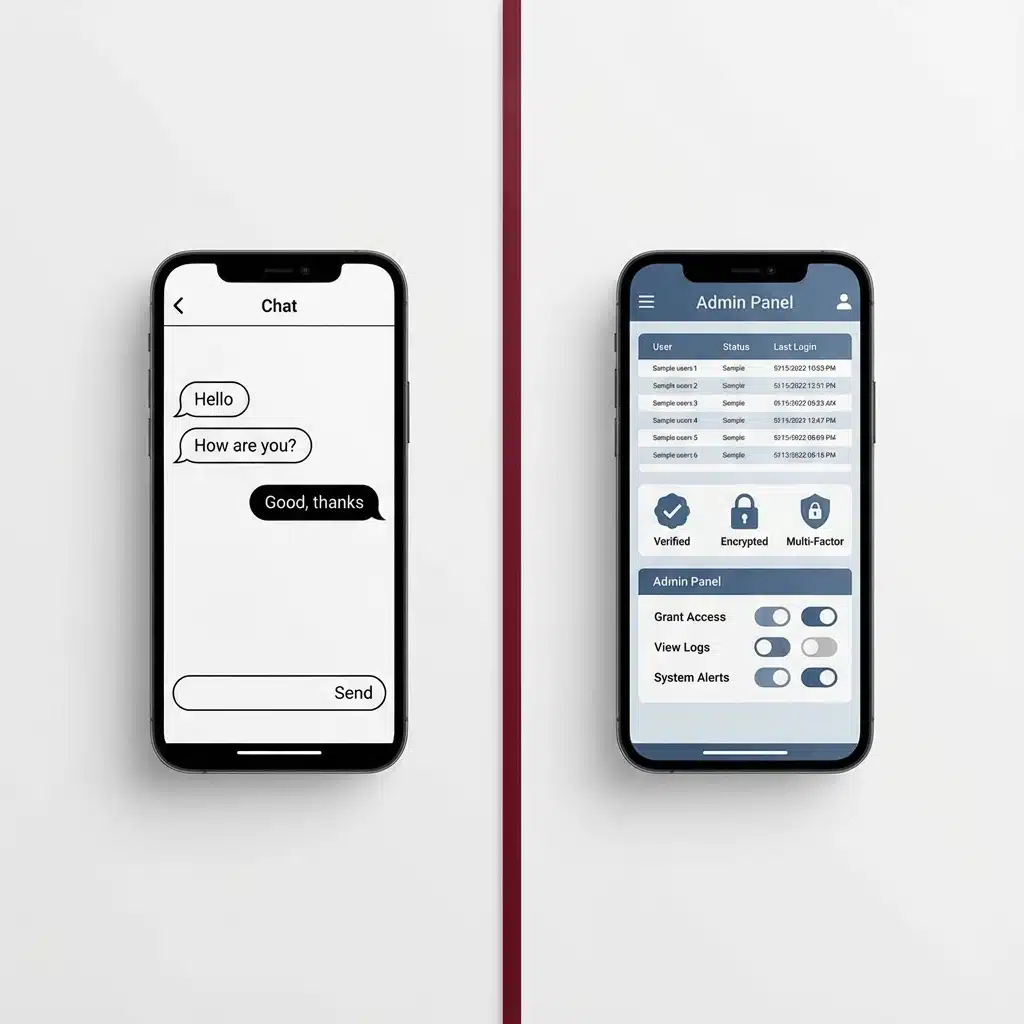
🔒 Our Recommendation for Tristate Businesses: Never enter client info, passwords, or financials into ChatGPT. For sensitive data and regulated work, use secure tools like Copilot, and ensure it’s properly configured.
What’s Coming in Security Reviews and Insurance Renewals?
More and more, we’re seeing insurers and enterprise clients ask:
• Are you using AI tools with sensitive data?
• Have you documented and reviewed those tools?
• Do you have audit logs and admin controls?
• Is your team trained on AI-related risks?
If you can’t confidently say yes to these questions today, let’s fix that before it costs you business or increases your premiums.
Side-by-side table showing business features and privacy differences between ChatGPT and Microsoft Copilot.
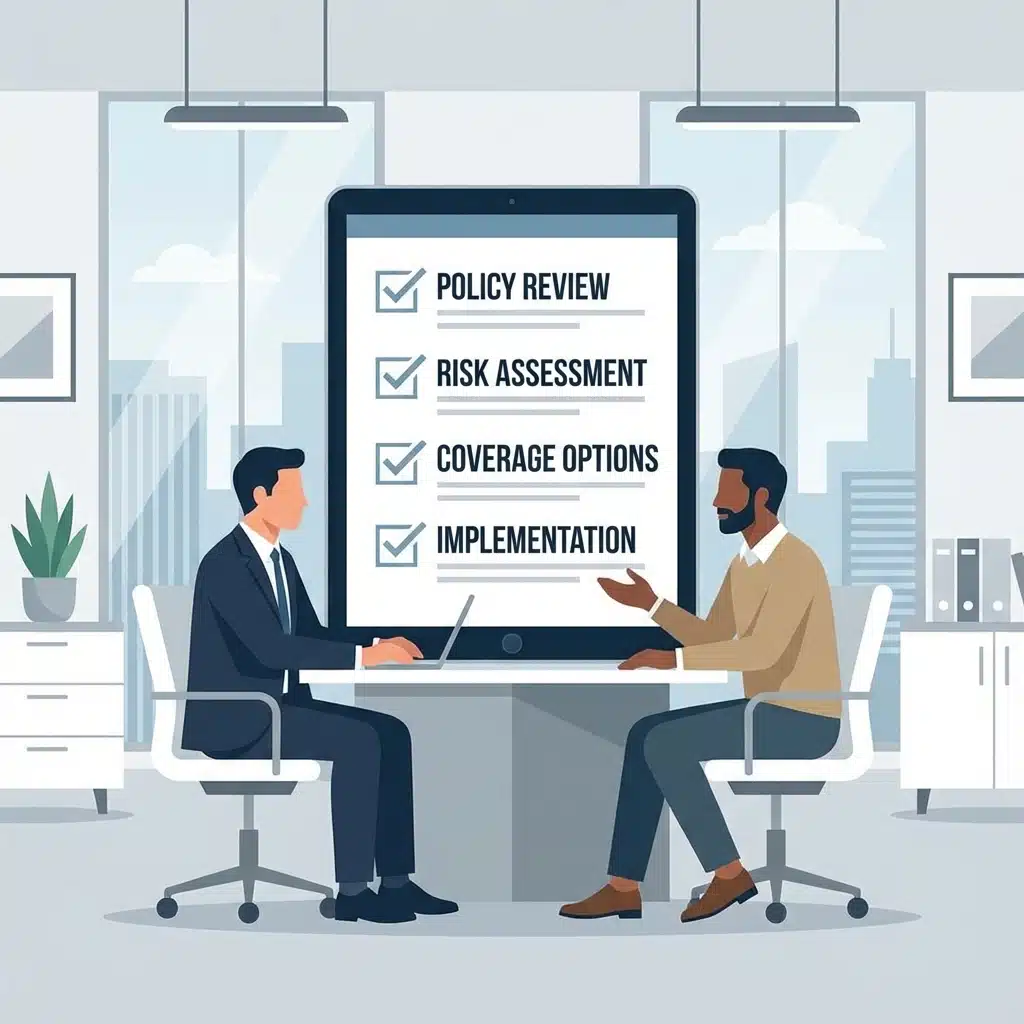
Insurance advisor and business owner discussing an AI compliance checklist in a Tri-state area office.
5 AI Compliance Steps for Businesses in NY, NJ, and CT
Here’s how we guide our clients to stay ahead:
1. Create an AI Inventory
Know what’s being used: Copilot, ChatGPT, CRM AI features, etc.
2. Map the Data Flow
What kind of data is going into those tools? Is it confidential? Regulated?
3. Secure Access
Limit AI tool access, enforce MFA, and restrict admin rights.
4. Enable Logging and Monitoring
Especially within Microsoft 365: so you know who accessed what, and when.
5. Update Policies & Train Your Team
Ready to Make AI Safe for Your Business?
Whether you’re a small firm in Westchester or a growing company in Jersey City, we can help you:
• Configure AI tools securely (especially Microsoft Copilot)
• Build policies that meet regulatory and insurance standards
• Train your staff on what’s safe (and what’s risky) with AI
• Pass upcoming client audits and renewals with confidence
Schedule a Local AI Risk Assessment
We offer a 30-minute AI Cyber Risk Review tailored for businesses in the NY/NJ/CT region. We’ll help you:
• Identify exposure points
• Secure your tools
• Build proof for insurance, vendors, or compliance teams
📞845.896.1800
📅 Schedule Online
AI Isn’t Just a Trend: It’s a New Compliance Category
The businesses who act now will avoid penalties, win bigger clients, and sleep better at night.
Let’s make sure yours is one of them.
IT professional leading a group training on safe and secure AI use in a conference room.
Make sure AI usage is part of your employee handbook and security training.


